
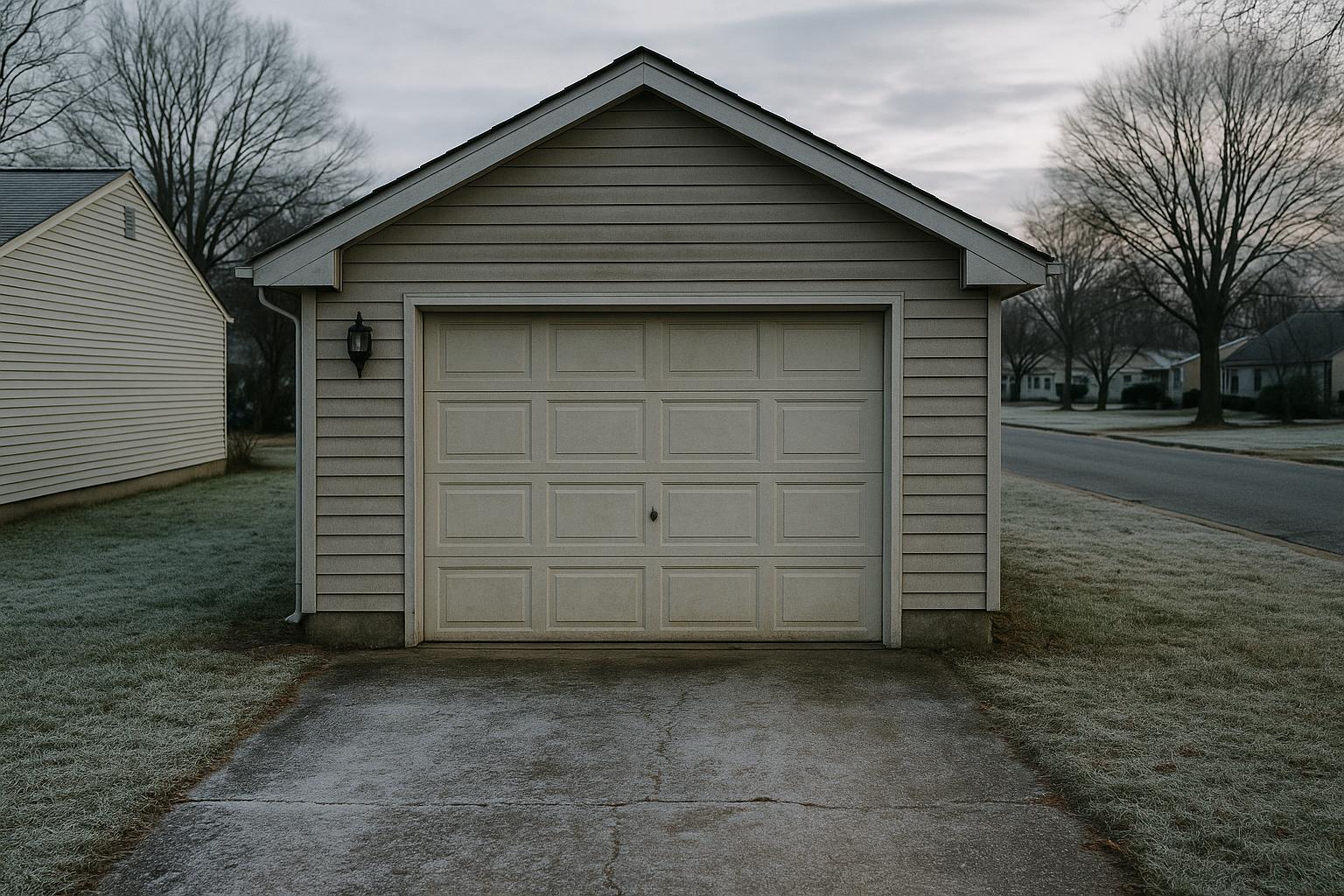
Winter Weather and Your Garage Door: A Common Virginia Beach Problem
Virginia Beach may not get the brutal winters that cities further north experience, but our Hampton Roads weather is far from gentle on garage doors. Temperatures regularly dip below freezing between December and February, and the combination of cold snaps, moisture, and coastal humidity can cause real problems for your garage door system.
If you've ever walked into your garage on a cold morning, pressed the button, and watched your garage door struggle, stall, or refuse to open entirely, you're not alone. It's one of the most common calls we get during the winter months at Virginia Beach Garage Door Pro. Here's what causes it and what you can do about it.
Why Garage Doors Malfunction in Cold Weather
There are several reasons your garage door might stop working properly when temperatures drop. Understanding the root cause helps you know whether it's a quick DIY fix or something that requires a professional.
1. The Weatherstripping Has Frozen to the Ground
This is the most common winter garage door issue. The rubber weatherstripping along the bottom of your garage door is designed to create a seal against drafts, rain, and pests. But when moisture collects underneath and temperatures drop overnight, that seal can freeze to the concrete floor of your garage or driveway.
When you try to open the door, the opener strains against the frozen seal. In some cases, the door won't budge at all. In others, the weatherstripping tears away from the door, leaving you with a damaged seal and gaps that let cold air and water inside.
2. Metal Components Contract in the Cold
Garage doors rely on a system of metal parts — tracks, springs, hinges, and rollers. When the temperature drops, metal contracts slightly. This contraction can cause:
- Tracks to become misaligned
- Springs to lose tension and lifting power
- Rollers to bind or stick in the tracks
- Hinges to stiffen and resist movement
These issues are often subtle. Your door might open more slowly, make unusual noises, or feel heavier than normal. Over time, forcing the door to operate under these conditions can lead to bigger mechanical failures.
3. Lubricant Has Thickened or Dried Out
The lubricant on your garage door's moving parts can thicken in cold weather, especially if it's been a while since your last maintenance visit. Thickened grease creates friction, which makes the opener work harder and can cause the door to move unevenly or stop mid-cycle.
4. The Garage Door Opener Struggles in the Cold
Garage door openers are electromechanical devices, and cold weather affects them too. Older openers may lose power or responsiveness in low temperatures. The drive mechanism — whether it's a chain, belt, or screw drive — can also stiffen. If your opener's light comes on but the door doesn't move, the cold may be putting too much strain on the motor.
5. Dead or Weak Remote Batteries
This one is easy to overlook. Cold weather drains batteries faster, including the ones in your garage door remote and your car's built-in transmitter. Before assuming something is wrong with the door itself, try replacing the batteries in your remote.
How to Prevent Winter Garage Door Problems
The good news is that most cold-weather garage door issues are preventable with a little preparation. Here's what we recommend to homeowners across Virginia Beach, Norfolk, Chesapeake, and the surrounding areas.
Apply a Silicone-Based Lubricant
Before winter sets in, apply a silicone-based lubricant to all moving parts — springs, rollers, hinges, and tracks. Silicone-based products resist cold temperatures much better than standard grease or WD-40. This one step can prevent a surprising number of winter malfunctions.
Inspect and Replace Worn Weatherstripping
Check the rubber seal along the bottom of your door. If it's cracked, brittle, or pulling away from the door, replace it before freezing weather arrives. A fresh weatherstrip creates a better seal and is less likely to freeze to the ground. You can also apply a thin layer of silicone spray or cooking oil to the bottom seal to prevent it from bonding to wet concrete overnight.
Keep the Area Around the Door Clear and Dry
Water that pools at the base of your garage door is the primary culprit behind frozen seals. Make sure the concrete apron in front of your garage slopes away from the door to encourage drainage. Clear away leaves, debris, and snow buildup regularly.
Schedule a Pre-Winter Maintenance Checkup
A professional maintenance visit in the fall can catch small issues before they become winter emergencies. At Virginia Beach Garage Door Pro, our maintenance service includes a full inspection of springs, cables, rollers, tracks, the opener, and safety features. We lubricate all moving parts, tighten hardware, and test the door's balance so it's ready for whatever winter throws at it.
What to Do If Your Garage Door Is Frozen Shut
If you wake up to a garage door that won't open, here's what to do — and what not to do.
- Don't force it. Repeatedly pressing the opener button while the door is frozen can burn out the motor, strip gears, or tear the weatherstripping. Press the button once. If the door doesn't move, stop.
- Check for ice along the bottom seal. Look at the base of the door from inside the garage. If you can see or feel ice bonding the seal to the floor, that's your problem.
- Use warm water — carefully. Pour warm (not boiling) water along the bottom edge of the door to melt the ice. Boiling water can crack cold concrete and damage the weatherstripping.
- Use a heat gun or hair dryer. Gently apply heat along the frozen seal. Work slowly and evenly to avoid damaging the rubber.
- Manually break the seal. If the ice is thin, you may be able to gently tap along the bottom of the door with a flat tool to break the bond. Be careful not to damage the seal or the door panel.
- Once free, dry the area. After freeing the door, wipe down the bottom seal and the concrete to remove moisture. Apply silicone spray to prevent refreezing.
When to Call a Professional
Some winter garage door problems go beyond a frozen seal. If you notice any of the following, it's time to call in a professional:
- The door opens partway and stops
- You hear loud popping, grinding, or snapping sounds
- The door is visibly off-track or hanging unevenly
- The opener runs but the door doesn't move
- A spring appears stretched, damaged, or broken
These symptoms can indicate broken springs, cable damage, or opener failure — all of which require trained technicians and proper tools to repair safely.
Stay Ahead of Winter With Virginia Beach Garage Door Pro
Winter garage door problems are frustrating, but they don't have to catch you off guard. A little preventive maintenance goes a long way toward keeping your door reliable through the coldest months of the year.
If your garage door is giving you trouble this winter — or if you want to schedule a maintenance visit before the next cold snap — Virginia Beach Garage Door Pro is here to help. We serve homeowners and businesses throughout Virginia Beach, Norfolk, Chesapeake, Suffolk, Portsmouth, and Hampton with fast, dependable service. Give us a call and let's make sure your garage door is ready for whatever winter brings.