
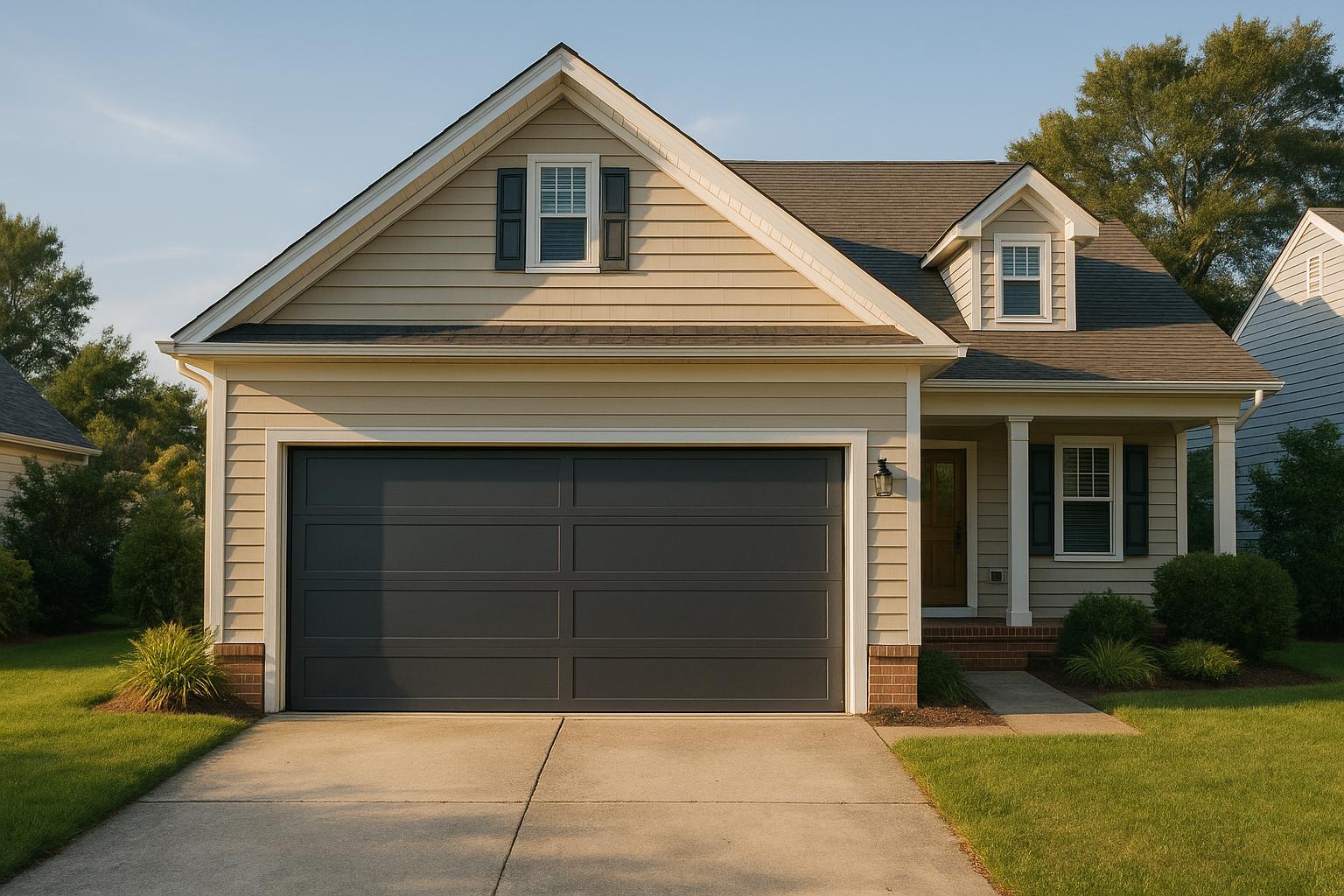
Your Garage Door Won't Last Forever — Here's What to Watch For
Your garage door is one of the hardest-working parts of your home. The average household opens and closes it over 1,500 times a year, and it accounts for nearly a third of your home's curb appeal. Yet most homeowners in Virginia Beach don't think much about their garage door until something goes wrong.
One of the most common questions we hear is: How long should a garage door actually last? And more importantly, how do you know when it's time to stop repairing and start replacing? In this guide, we'll break down the typical lifespan of a garage door, what shortens or extends it, and the clear signs that a replacement is the smarter investment.
The Average Lifespan of a Garage Door
Most residential garage doors are built to last between 15 and 30 years, depending on the material, quality of installation, and how well they've been maintained. Here's a general breakdown by material:
- Steel garage doors: 20–30 years. Steel is the most popular choice in the Hampton Roads area for good reason — it's durable, low-maintenance, and handles coastal humidity well when properly finished.
- Aluminum garage doors: 15–25 years. Lightweight and rust-resistant, but more prone to dents and cosmetic damage over time.
- Wood garage doors: 15–20 years. Beautiful but demanding. Virginia Beach's humidity and salt air can accelerate warping, rot, and paint deterioration if wood doors aren't regularly sealed and maintained.
- Composite and fiberglass doors: 15–25 years. These resist moisture well, making them a reasonable choice for coastal climates, though they can become brittle and crack with age.
Keep in mind that the door itself is just one component. The opener, springs, cables, rollers, and hardware all have their own lifespans and may need attention well before the door panels themselves wear out.
What Affects How Long Your Garage Door Lasts
Two identical garage doors installed on two different homes can age very differently. Several factors determine how quickly yours will wear out:
Climate and Coastal Conditions
Living near the coast in Virginia Beach means your garage door is constantly exposed to salt air, high humidity, and occasional storm-driven rain. These conditions accelerate rust on metal components, degrade weather seals, and can cause wood to swell and warp faster than in drier climates. Homes closer to the oceanfront tend to see more wear than those further inland in areas like Chesapeake or Suffolk.
Frequency of Use
A garage door that opens and closes four to six times a day will wear out faster than one used twice a day. If your garage doubles as a workshop, gym, or main entry point, your door and its components are under significantly more stress.
Maintenance History
Garage doors that receive regular maintenance — lubrication, hardware tightening, balance checks, and weather seal replacement — consistently outlast neglected ones. Annual professional maintenance can add years to your door's functional life.
Quality of the Original Installation
A garage door that was improperly installed from the start will develop problems sooner. Misaligned tracks, incorrect spring tension, and poor weatherproofing all contribute to premature wear and can even create safety hazards.
7 Signs It's Time to Replace Your Garage Door
Repairs can extend the life of your garage door, but there comes a point when replacement is the more practical and cost-effective choice. Here are the signs to watch for:
1. Frequent Breakdowns
If you're calling for repairs multiple times a year, those costs add up quickly. When your door needs constant attention to keep functioning, it's usually more economical to invest in a new one.
2. Visible Damage and Deterioration
Significant dents, cracks, rust, rot, or warping aren't just cosmetic problems. They compromise the structural integrity of the door and can affect insulation, security, and weather resistance. If the damage is widespread across multiple panels, replacement makes more sense than patching.
3. The Door Is Noticeably Louder
All garage doors make some noise, but if yours has become significantly louder — grinding, scraping, banging, or rattling — it could indicate worn-out rollers, failing hardware, or structural issues with the door itself. While some noise issues are repairable, excessive noise in an older door often signals that multiple components are failing simultaneously.
4. It Doesn't Stay Balanced
A properly balanced garage door should stay in place when you manually lift it to the halfway point and let go. If it slides down or shoots up, the balance is off. While this can sometimes be fixed with a spring adjustment, chronic balance problems in an aging door often mean the door itself has warped or the entire system is wearing out.
5. Your Energy Bills Are Climbing
If your garage is attached to your home, an old or poorly insulated garage door can let conditioned air escape and outside air pour in. Homeowners in Norfolk and Virginia Beach often don't realize how much an uninsulated or deteriorating garage door contributes to higher energy costs, especially during our hot, humid summers.
6. It Looks Outdated
Curb appeal matters, whether you're planning to sell your home or simply want to enjoy the way it looks. An outdated or worn garage door can drag down the appearance of an otherwise well-maintained property. According to Remodeling Magazine's annual Cost vs. Value report, a garage door replacement consistently ranks among the top home improvement projects for return on investment.
7. Safety Features Are Missing or Failing
Modern garage doors come equipped with important safety features like auto-reverse mechanisms, photoelectric sensors, and pinch-resistant panels. If your door was installed before these became standard, or if these features are no longer functioning reliably, upgrading to a new door is a smart move — especially for households with children or pets.
Repair vs. Replace: Making the Right Call
Not every problem calls for a full replacement. Here's a simple framework to help you decide:
- Lean toward repair if the door is under 15 years old, the issue is isolated (a single broken spring, a malfunctioning opener, or a damaged panel), and the rest of the system is in good shape.
- Lean toward replacement if the door is over 20 years old, you're dealing with multiple issues at once, repair costs are approaching 50% of the price of a new door, or you want to upgrade insulation, safety, or aesthetics.
When you're on the fence, a professional inspection can help clarify things. A qualified technician can assess the condition of every component and give you an honest recommendation based on what they find — not just what's most expensive.
Choosing the Right Replacement for Virginia Beach
If you do decide it's time for a new garage door, consider these factors for our local climate:
- Material: Steel and composite doors tend to perform best in coastal environments. If you love the look of wood, consider a steel door with a wood-grain finish for the best of both worlds.
- Insulation: Look for doors with polyurethane insulation for better energy efficiency and noise reduction, especially if your garage is attached to your living space.
- Wind resistance: Virginia Beach is no stranger to strong storms. A wind-rated garage door with reinforced struts can protect your home during hurricane season.
- Style: From traditional raised-panel designs to modern flush panels and carriage-house styles, today's garage doors offer more aesthetic options than ever.
Keep Your Garage Door Running Strong
Whether your garage door has a few good years left or it's clearly time for an upgrade, the team at Virginia Beach Garage Door Pro is here to help. We provide honest assessments, professional installation, and ongoing maintenance to homeowners across Virginia Beach, Norfolk, Chesapeake, Portsmouth, Hampton, and Suffolk. If you're unsure about the condition of your garage door, give us a call — we'll help you make the right decision for your home and your budget.